

Screening and Treatment of Liver Cancer
Liver cancer represents one of the most serious oncological pathologies of the digestive system, being associated with high mortality worldwide. In recent decades, the incidence of liver cancer has increased in many regions of the world, mainly due to the increased prevalence of chronic liver diseases, such as viral hepatitis and non-alcoholic fatty liver disease.
From a medical point of view, the term liver cancer includes several types of malignant tumors of the liver. The most common form is hepatocellular carcinoma, which arises directly from liver cells. More rarely, cholangiocarcinomas (tumors of the intrahepatic bile ducts) or liver metastases originating from other types of cancer may occur.
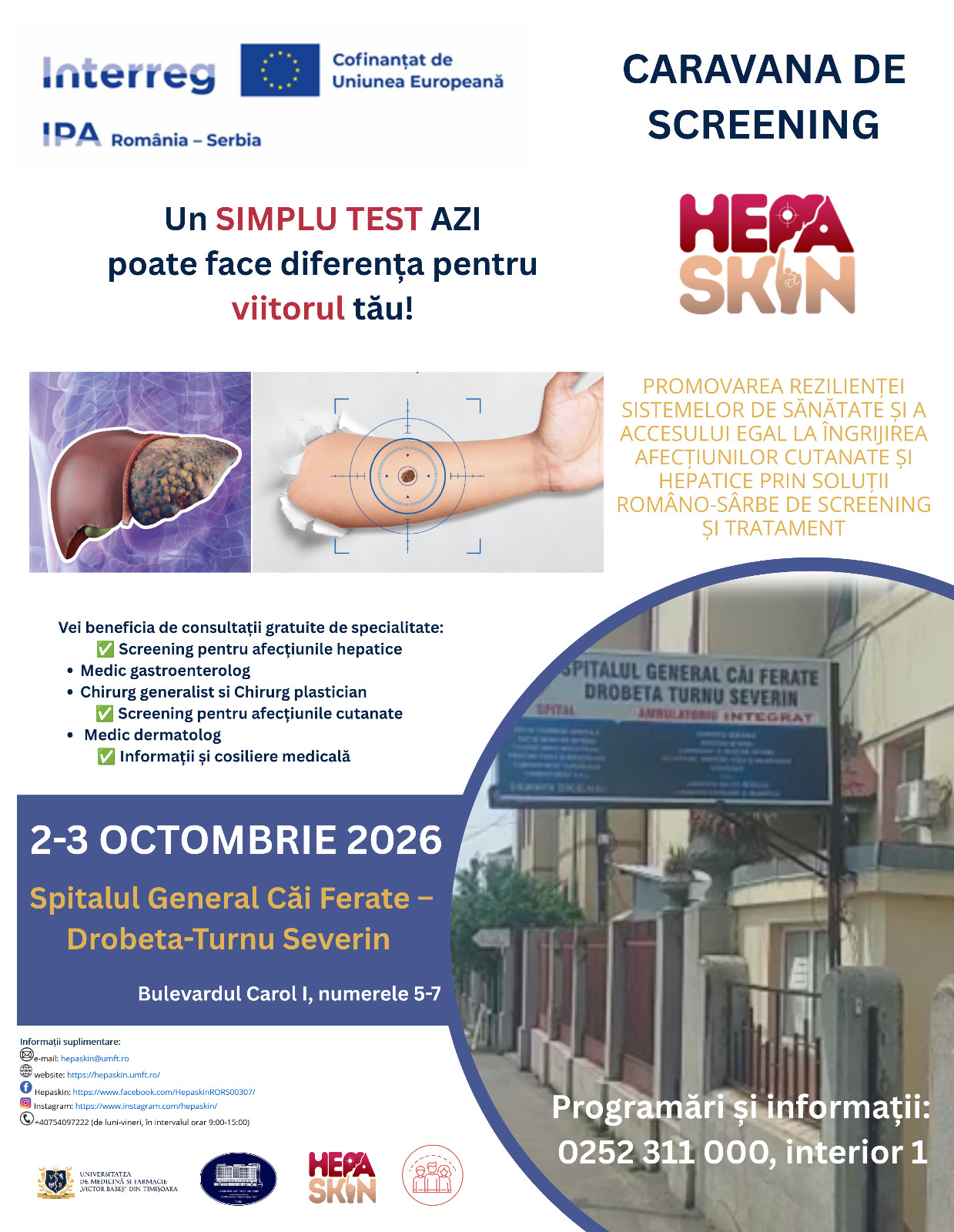
Early detection of liver cancer is essential for increasing the chances of curative treatment. For this reason, screening patients at increased risk represents a fundamental component of modern preventive medicine. At the same time, the development of medical technologies has led to the emergence of various therapeutic options, ranging from surgical treatments to systemic oncological therapies and minimally invasive procedures.
This medical guide aims to provide clear and detailed information about the risk factors, screening methods, diagnosis, and modern treatment options for liver cancer, in language accessible to patients.
The Role of the Liver and the Importance of Liver Health
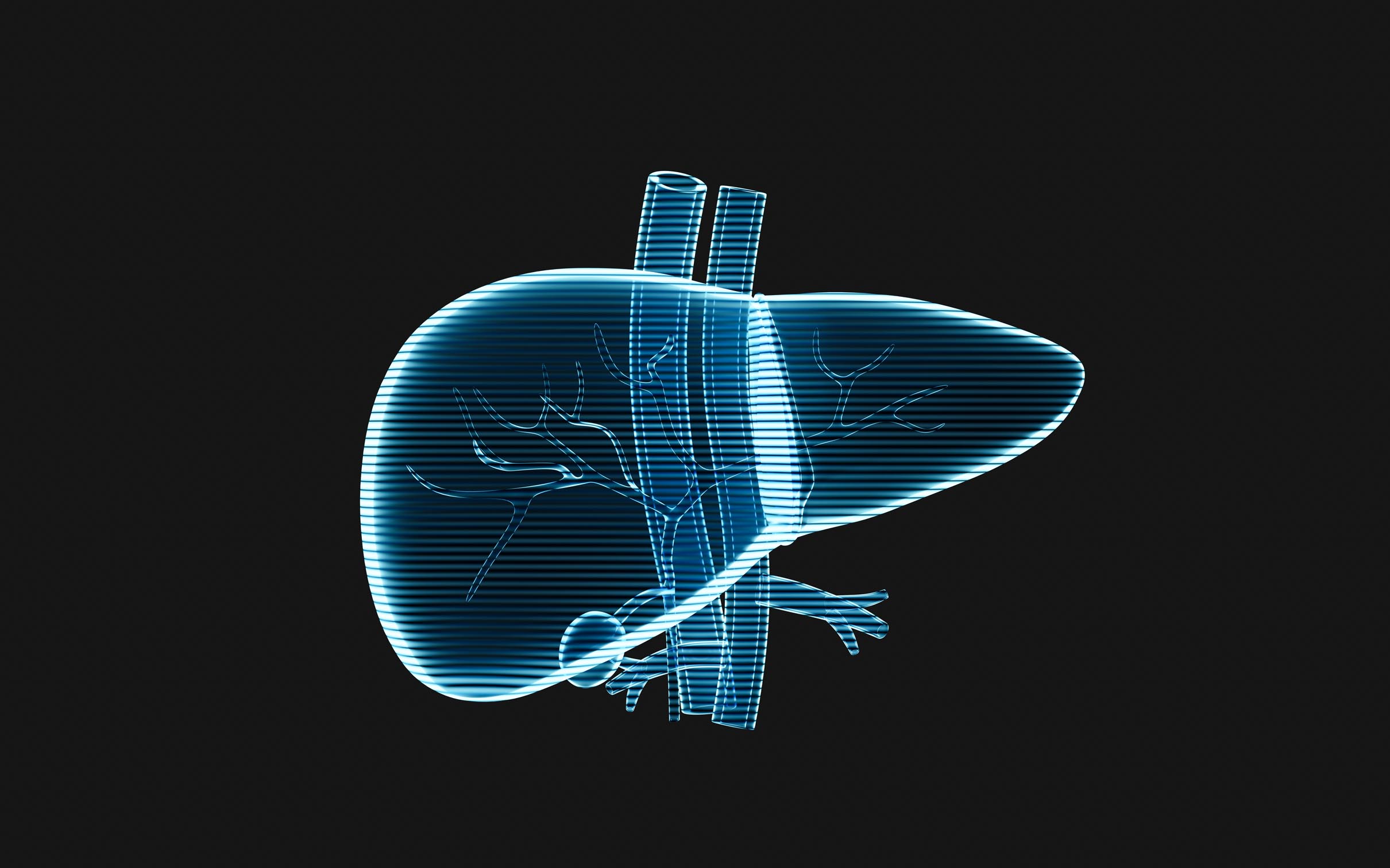
The liver is one of the most important organs of the human body, having over 500 essential biological functions. Among the most important roles of the liver are:
• Metabolizing nutrients derived from food;
• Detoxifying the body from toxic substances;
• Producing bile necessary for the digestion of fats;
• Synthesizing important plasma proteins, including coagulation factors;
• Regulating carbohydrate and lipid metabolism.
Maintaining liver health is essential for preventing severe complications, including liver cancer.
Risk Factors for Liver Cancer
Liver cancer usually occurs in the context of chronic liver disease. Identifying risk factors is essential for establishing screening and prevention strategies.
The main risk factors include:
Chronic viral hepatitis
Chronic infection with hepatitis B or C virus is one of the most common causes of hepatocellular carcinoma. Persistent liver inflammation causes progressive genetic changes in liver cells.
Liver cirrhosis
Cirrhosis represents the advanced stage of many chronic liver diseases and is the most important risk factor for liver cancer. Approximately 80–90% of hepatocellular carcinoma cases occur in patients with cirrhosis.
Excessive alcohol consumption
Alcohol consumed in large quantities and over a long period can cause alcoholic hepatitis and cirrhosis, increasing the risk of liver cancer.
Non-alcoholic fatty liver disease
This condition is increasingly common in the context of obesity and metabolic syndrome. In advanced stages it can progress to inflammation, fibrosis, and cirrhosis.
Exposure to toxins
Aflatoxins (toxins produced by certain food molds) and other chemical substances can have carcinogenic effects on the liver.
Genetic and metabolic factors
Hemochromatosis, alpha-1 antitrypsin deficiency, or other metabolic diseases can increase the risk of developing liver cancer.
Symptoms of Liver Cancer
In the early stages, liver cancer is often asymptomatic. For this reason, early diagnosis relies mainly on screening patients at increased risk.
As the disease progresses, the following symptoms may occur:
• Pain or discomfort in the right upper part of the abdomen;
• Unexplained weight loss;
• Loss of appetite;
• Persistent fatigue;
• Nausea or a feeling of abdominal fullness;
• Jaundice (yellowing of the skin and eyes);
• Accumulation of fluid in the abdomen (ascites).
It is important that these symptoms are medically evaluated, as they may also be associated with other liver conditions.
Liver Cancer Screening
Screening represents the periodic evaluation of individuals at increased risk, before the onset of symptoms. The main goal is to detect tumors at early stages, when curative treatment is still possible.
The main category of patients who benefit from screening includes:
• Individuals with liver cirrhosis;
• Patients with chronic hepatitis B;
• Patients with hepatitis C and advanced fibrosis;
• Individuals with severe metabolic liver diseases.
The most commonly used screening methods are:
Abdominal ultrasound
This is the main screening method. It is non-invasive, accessible, and allows the identification of suspicious liver nodules.
Alpha-fetoprotein (AFP)
AFP is a tumor marker that may be elevated in hepatocellular carcinoma. Although it is not completely specific, its use together with ultrasound can improve early detection.
Screening is usually recommended every 6 months for patients at increased risk.
Diagnosis of Liver Cancer
If a liver tumor is suspected following screening, additional investigations are required to confirm the diagnosis.
Diagnostic methods include:
Computed tomography (CT)
Abdominal CT with contrast allows evaluation of tumor vascularization and identification of typical characteristics of hepatocellular carcinoma.
Magnetic resonance imaging (MRI)
Liver MRI provides detailed images of liver structure and can better differentiate benign from malignant lesions.
Liver biopsy
In certain situations, the physician may recommend taking a tissue sample for histopathological analysis.
Disease staging
After confirmation of the diagnosis, the size of the tumor, the number of lesions, and liver function are evaluated in order to establish the therapeutic strategy.
Modern Treatment Options
Treatment for liver cancer depends on several factors: the size and number of tumors, the stage of the disease, liver function, and the patient’s general condition.
The main therapeutic options include:
Liver surgery
Liver resection involves removing the portion of the liver that contains the tumor. It is a curative option in selected cases.
Liver transplantation
For patients with limited tumors and advanced cirrhosis, liver transplantation may offer the best chances of cure.
Tumor ablation
Procedures such as radiofrequency ablation or microwave ablation destroy the tumor through heat and are used for small lesions.
Hepatic arterial embolization
This technique blocks blood flow to the tumor and may be combined with local chemotherapy.
Systemic therapy
In advanced stages, targeted therapies or immunotherapy may be used, which act on the biological mechanisms of tumor cells.
Prevention of Liver Cancer
Prevention plays a major role in reducing the incidence of liver cancer.
Preventive measures include:
• Vaccination against hepatitis B;
• Treatment of chronic infections with hepatitis viruses;
• Limiting alcohol consumption;
• Maintaining a healthy body weight;
• Balanced diet and regular physical activity;
• Periodic monitoring of patients with chronic liver diseases.
By adopting a healthy lifestyle and through regular medical monitoring, the risk of developing liver cancer can be significantly reduced.
Conclusion
Liver cancer represents a complex condition, but advances in modern medicine have significantly improved the possibilities for diagnosis and treatment. Regular screening of patients at increased risk allows the identification of tumors in early stages, when curative treatments are still possible.
Close collaboration between the patient and the medical team — consisting of gastroenterologists, hepatologists, surgeons, and oncologists — is essential for establishing the most effective therapeutic plan.
Regular medical consultations, modern imaging investigations, and personalized therapies can contribute to improving the prognosis and quality of life of patients diagnosed with liver cancer.